Key Takeaways from My Free Webinar for Foster & Adoptive Parents
As a pediatric dietitian — and as a foster and adoptive mom myself — I hear the same concerns over and over again from caregivers:
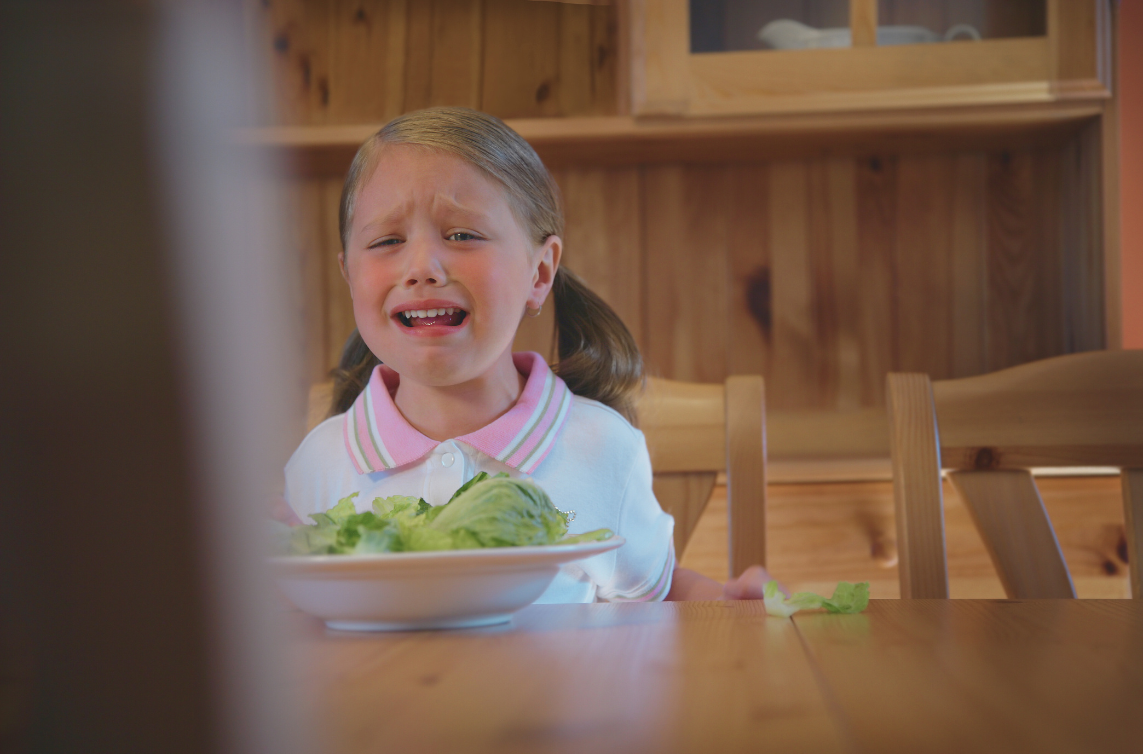
Will my child ever expand their food variety?
Why are they still hoarding or sneaking food?
When will mealtimes stop feeling so hard?
During a recent free webinar offered by America Kids Belong, I had the opportunity to talk in depth about how trauma impacts a child’s relationship with food and what a trauma-informed, connection-focused approach to nutrition can look like for foster and adoptive families.
What I want parents to know most is this: these food behaviors are common, understandable, and not a sign that you’re doing something wrong.
This webinar, hosted by Courtney Williams, first features an interview with Kellie Espino, a foster and adoptive mom who shares her personal experience with feeding challenges. I then dive into the why behind many of the feeding struggles our kids face and offer practical guidance for navigating them.
You can check out the full free webinar here:
Or read the highlights from my part of the webinar (starting around the 17 minute mark) below.👇
Why I Care So Deeply About Trauma & Food
I’m a Registered Dietitian Nutritionist (RDN), and I’ve worked in pediatrics since 2012.
My husband and I became foster parents in 2017, and our family has grown through both foster care and international adoption. We continue to support children through temporary placements, emergency placements, and respite care.
Through both my professional work and my personal experience, I’ve seen this again and again:
👉 Trauma often affects food — even when we don’t expect it to.
That realization is what led me to create Nourish with Connection and to provide education like this free webinar for foster and adoptive families.
How Trauma Can Affect a Child’s Relationship With Food
Trauma impacts every child differently. Not every child who has experienced trauma will struggle with food — but in my experience, it’s rare for trauma not to affect food in some way.
Here are some of the most common patterns I discussed during the free webinar.
1. Trauma Can Disrupt Appetite, Digestion, and Hunger Cues
When a child experiences trauma, their nervous system may spend a lot of time in fight-or-flight. Elevated stress hormones like cortisol and adrenaline can affect:
- Appetite (eating very little or eating a lot)
- Digestion and metabolism
- GI symptoms like constipation, reflux, or stomach pain
For some kids, these changes are temporary. For others, they can persist long after the trauma itself.
2. Sensory Processing Differences Are Very Common
Children who have experienced trauma are more likely to have sensory processing differences, which can significantly affect eating.
Some kids are sensory seekers:
- They crave crunchy, chewy, salty, spicy, or intense flavors
- They may eat frequently or mouth non-food items
Other kids are sensory averse:
- Certain textures, smells, or appearances of food feel overwhelming
- These kids are often labeled as “picky eaters”
These are nervous-system responses — not defiance.
3. Trauma Can Affect Interoception (Body Awareness)
Many children with trauma histories struggle with interoception — the ability to notice hunger, fullness, and internal body cues.
This can look like:
- Not realizing they’re hungry until they’re extremely irritable or dysregulated
- Eating past fullness because they don’t recognize when they’ve had enough
- Seeming “out of control” around preferred foods
This isn’t a lack of self-control. It’s a disrupted internal signaling system.
4. Food Can Become a Way to Feel in Control
Many children in foster care have had very little control over their lives. Food may be one of the only areas where they feel autonomy.
That desire for control can show up as:
- Food refusal or food strikes
- Picky eating
- Restrictive eating
- Bingeing or overeating
Even when it doesn’t develop into an eating disorder, food can become a way for a child to say, “This is one thing I get to decide.”
5. Food Insecurity, Hoarding, and Sneaking Are Survival Responses
Food insecurity is incredibly common for children who enter foster care.
In the free webinar, I shared that:
- Nearly 20% of U.S. households with children experience food insecurity
- Children in foster care are six times more likely to have experienced it
When a child hoards or sneaks food, their body is trying to protect them. It has learned: When food is available, I need to secure it.
This is not something to punish or shame. In fact, punishment almost always makes it worse.
How Caregivers Can Support These Behaviors (Without Making Them Worse)
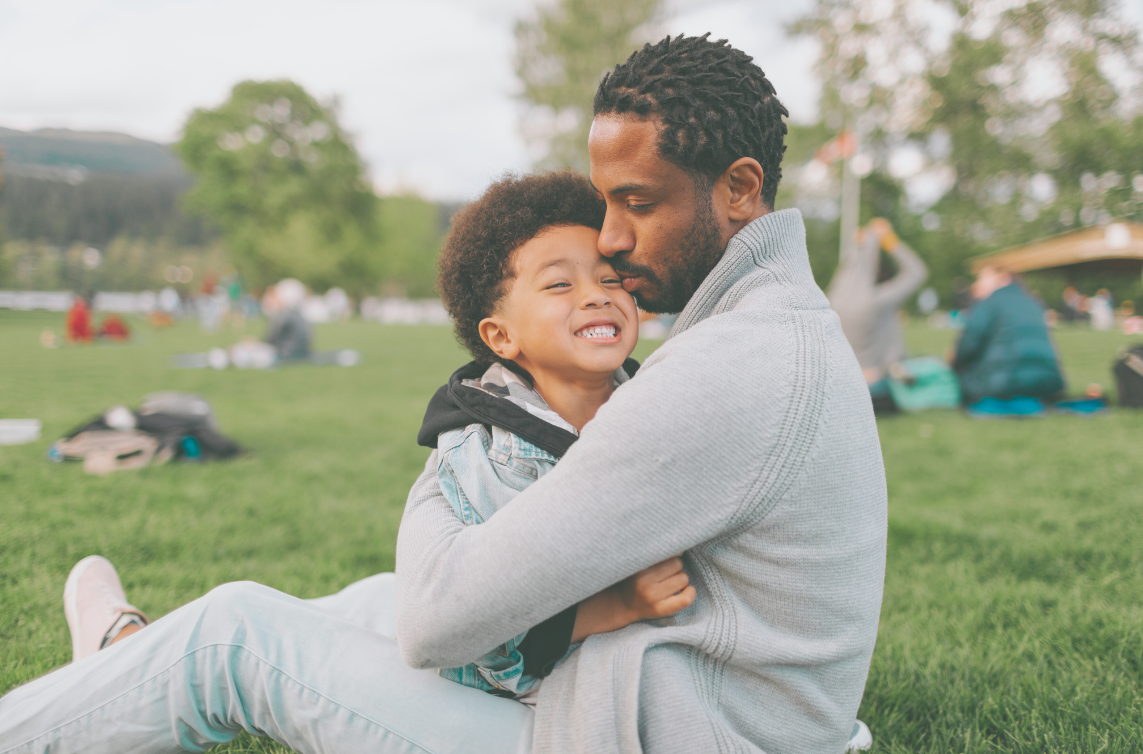
One of the biggest messages I shared in the free webinar is this:
👉 Shame, punishment, and restriction are not effective — and they often increase fear around food.
Next, I shared these trauma-informed strategies that help build safety and trust.⬇️
Create Food Security Through Consistency
- Offer meals and snacks every 2–3 hours
- Keep routines predictable
- Make sure there are always foods your child actually likes available
Some families find it helpful to:
- Allow a small, child-approved food stash
- Create a “yes” snack bin that never requires permission
The goal is to communicate: You will not go hungry here.
Reduce Restriction Around Food
Highly restricted food environments (no sugar, no favorite snacks, no “junk food”) often increase hoarding and sneaking — especially for kids with trauma histories.
Instead, I encourage:
- Pairing preferred foods (like sweets & snacks) with nourishing foods
- Offering exposure without pressure via family-style meals
- Avoiding “good food vs. bad food” language
Model a Healthy Relationship With Food
Children learn safety by watching us:
- Eat a variety of foods
- Enjoy food without guilt
- Honor hunger and fullness cues
This takes time — especially for kids who have experienced trauma — but modeling truly matters.
What Trauma-Informed Nutrition Really Means
For me, trauma-informed nutrition is about shifting the question from:
“What’s wrong with this child?”
to
“What happened to them?”
It means:
- Prioritizing felt safety and connection
- Being curious instead of corrective
- Staying flexible instead of rigid
- Trusting that relationship comes before nutrition goals
One phrase I love (and shared in the webinar) is:
“Felt safety first — vegetables later.” I first heard this from Dr. Katja Rowell and couldn’t agree more!
A healthy relationship matters more than perfect eating.
Practical Trauma-Informed Feeding Tools I Recommend
Some of the most effective strategies I use with families include:
- Family-style meals that allow choice and autonomy
- Offering limited choices (for example: “PB&J or turkey?”)
- Involving kids in grocery shopping and cooking
- Letting kids help choose meals or sides
- Keeping mealtimes low-pressure
- Never forcing bites or clean plates
Even small amounts of voice and choice help build trust over time.
Why Family Meals Matter — Especially for Foster & Adoptive Families
Lastly, research shows that shared meals are associated with:
- Better physical health
- Lower rates of depression
- Reduced risk of substance use and risky behaviors
But for foster and adoptive families, family meals also provide:
- Predictability
- Connection
- Regulation
- Daily relationship repair
Food is important — but connection is essential.
About Nourish with Connection

I created Nourish with Connection to support foster and adoptive families navigating feeding challenges through a trauma-informed lens.
Right now, I offer:
- Free educational content on social media
- A growing blog focused on trauma-informed nutrition
- A free monthly newsletter
- Free guides and resources
- Podcast interviews and free webinar trainings
My heart is to equip caregivers with tools that reduce shame, build trust, and make mealtimes feel safer for everyone.
👉 Follow along on Instagram, Facebook, and LinkedIn @nourishwithconnection
Final Thoughts
Food behaviors in foster and adoptive children are rarely about disobedience. Most of the time, they’re about safety, survival, and unmet needs.
When we shift from control to connection, food becomes less of a battleground — and more of a bridge. Let’s build the bridge together!


0 Comments