
This post may contain affiliate links which means if you choose to purchase from the link provided. I might earn a small commission with no extra cost to you
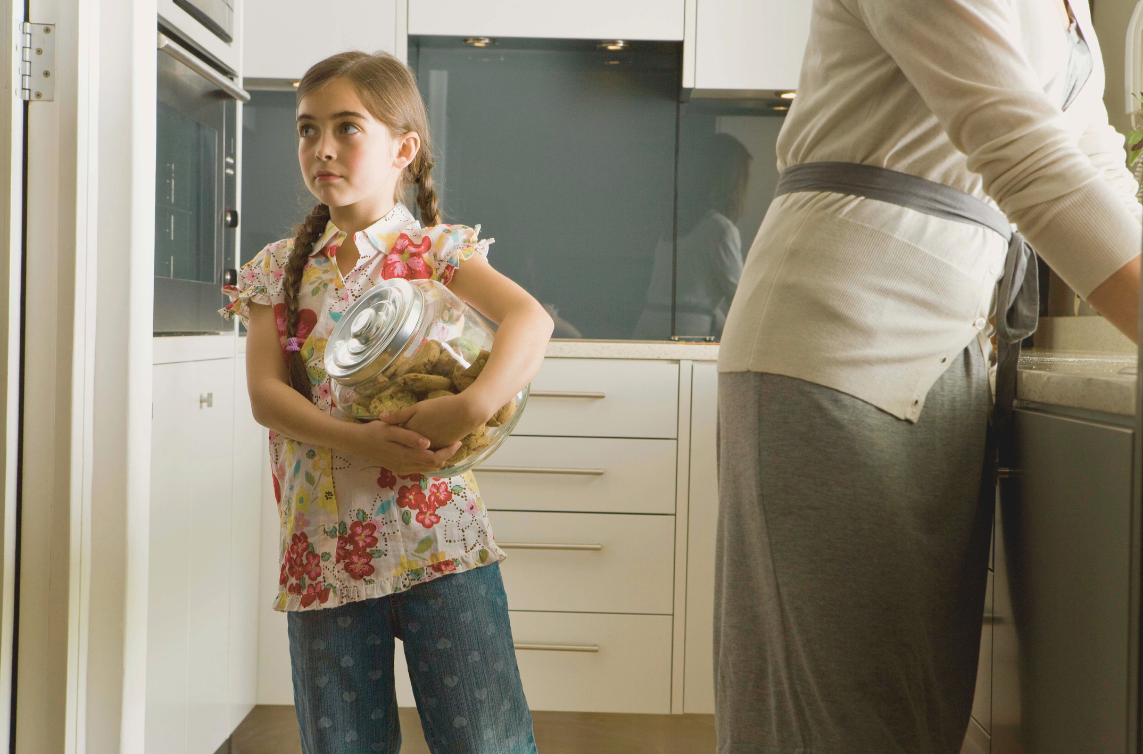
When children are found sneaking food, they are often blamed for stealing or breaking rules. But it’s much more likely that they have some unmet needs requiring their caregiver’s attention.
As a pediatric dietitian who’s also a foster and adoptive mom, this topic is near and dear to my heart. Sneaking food is unfortunately a common and challenging behavior for children from hard places.
Sneaking food often causes a lot of strong feelings like anger and frustration which increases stress for both the child and their caregivers. It is incredibly important for the child’s caregivers and healthcare providers to address this behavior through a trauma-informed lens.
By the end of this blog post, you should better understand why your child may be sneaking food. I also hope you’ll be encouraged with practical tips to lovingly support your struggling child.
Most common reasons for sneaking food
There could be many reasons for your child’s sneaky behavior. One thing I’ve learned as a trauma-informed parent is to approach a child’s difficult behavior by first being curious. Simply ask yourself, “why might my child feel the need to take extra food without asking?”. This moment to pause and consider the need behind the behavior is a huge step in the right direction.
You may not always find the answer, but that shouldn’t stop you from trying. Here are some of the most common reasons a child might sneak food:
Reason #1: They’re hungry.
Many kids aren’t offered large enough portions at meals/snacks or not frequently enough. Adults often naively think their kids should eat less than the parent, but in reality, many kids actually need more.
Energy needs are dependent on a lot of factors like age, gender, activity level, height & weight, etc. But kids need more energy per kilogram of body weight than adults do, because they are still growing and developing!
Also, a lot of the preferred foods for kids are simple carbohydrates like crackers, cookies, chips, pretzels, rice, potatoes, etc. When starchy foods aren’t paired with other nutrients like fat, protein, or complex carbs (with fiber), they can leave one feeling hungry soon after a meal or snack.
Reason #2: They’ve experienced food insecurity or inconsistent access to food.
While this doesn’t seem as prominent in first world countries, it is much more common than most realize. Nearly 18% of households with children in the US experienced food insecurity in 2023. Also, 62% of kids enter foster care because of neglect. And sadly, many foster children experience hunger or food scarcity while in foster care.
Children who have gone without enough food—even once or repeatedly—often develop a fear of running out. Sneaking or hoarding food is a common trauma response.
I’ll never forget when a newly placed foster child in our care had a meltdown over not getting a third banana. Later, we learned about her history of food insecurity, and it all made sense. She was heading to bed, unsure if food would still be there in the morning.
It’s crucial for caregivers and healthcare providers to understand that children with a history of food insecurity aren’t always underweight—it’s actually a risk factor for obesity*. A child’s appearance should never determine whether or not they have experienced hunger.
*I don’t love this term, as I mostly disagree with its diagnostic criteria and usage. However, I included it here because research studies often use this term to link food insecurity to larger body sizes.
Reason #3: They’re oral sensory seekers.
Some kids have a desire to crunch, chew, and suck to activate oral stimulation. This sometimes translates to kids biting or chewing on non-food items (like clothing, pencils, paper, hair, etc.). In other cases, a child has a seemingly strong appetite and desires to eat a lot!
Many oral sensory seekers crave strong flavors (salty, sour, spicy, sweet), crunchy or chewy foods, or hot/cold foods. Some enjoy messy play with food and like to eat with their hands. Many of these kids struggle with impulse control around food and thus end up sneaking food between designated meal and snack times.
Reason #4: They do not have regular access to preferred foods.
This can be a sensitive topic, as many caregivers have strong opinions about what their kids should or shouldn’t eat. While this often comes from a place of love, restricting a child’s favorite less-nutritious foods (chips, sweets, etc.) deprives them of comfort and can negatively impact their sense of felt safety.
When children hear foods labeled as “good” or “bad,” “healthy” or “unhealthy,” they may feel shame, guilt, or confusion. Research also shows that restricting foods or pressuring kids to eat certain foods increases the risk of disordered eating.
Labeling foods as “off-limits” or “only for special occasions” can make them even more desirable, leading to sneaking food—or worse, a lifelong struggle with food and body image.

While these are common reasons kids sneak food, they’re not the only ones. It’s important to note that children with a high ACE’s (Adverse Childhood Experiences) score are significantly more likely to develop an eating disorder including binge eating, which may involve sneaking food to overeat.
Let’s talk about solutions to sneaking food
So you discovered your child has been sneaking food, and now you know there are likely some valid reasons why, but what should you do about it?
Below you’ll find suggested tips for each of the most common reasons for sneaking food.
Tip #1: If they’re hungry…
Help your kids learn to honor their hunger and trust their bodies. Having regular meals/snacks (3 meals a day and about 3 snacks). Of course, this varies depending on the child’s age, medical condition, and history so be flexible.
Make sure their meals and snacks are balanced. This means offering a variety of filling foods like fiber, fat, and protein. Instead of taking away their favorite carb-heavy snacks and foods, consider what you can serve alongside them. Foods like nuts, cheese, cream cheese, yogurt, peanut butter (or nut butters), hummus, and guacamole add a good nutrient boost to those popular carbohydrate choices.
Tip #2: If they’ve experienced food insecurity…
Be extra sensitive if this is even a possibility. Reassure your child that you will always make sure food is available for them, but this will take time and consistency.
One way you can help this sink in is to allow them to have their own stash of non-perishable foods in a special place. It should be set asideexclusively for them which will help keep them from sneaking and hiding food.
Another helpful option is to provide a “yes” jar which is a container of snacks your child can access whenever they feel hungry. The idea is that they don’t have to ask for permission to eat these foods; the answer is always “yes”. This can be a container in the pantry, on the kitchen counter, or in the fridge.
Some helpful foods to give free access to include:
- breakfast bars — make sure they contain fiber and/or protein to help with satiety
- peanut butter crackers
- nuts
- popcorn
- fruit (fresh, canned, or frozen)
- raw vegetables (carrots, bell peppers, cucumbers, broccoli, celery, etc.)
- cheese
- yogurt
- hummus
Tip #3: If they are oral sensory seekers…
Incorporate crunchy, chewy, or strong-flavored foods at meals and snacks — I provided a list of specific foods on this IG reel. Offer low calorie or non-food options after meals and snacks to meet their sensory needs like:
- sugar-free gum
- drinking cold water through a straw
- crunching on ice
- blowing bubbles or pinwheels
- sensory toys that are safe to chew
Use routines to help with regulation, so try to be consistent with predictable mealtimes. Make sure seating is comfortable (feet on the floor, not dangling) and consider a resistance band or stretchy band like these to keep their feet busy during meals and snacks.
Tip #4: If they do not have regular access to preferred foods…
Comfort foods are an important part of helping a child feel at home and safe. Sure, most comfort foods aren’t very nutrient-dense, but consuming comfort foods can decrease stress hormone production and increase serotonin which improves mood.
So don’t restrict their preferred foods! Allowing a child to share their favorite foods with you or others in the family can be very therapeutic for them. This is an important step to lay the groundwork for connection.
Family meals are such a valuable way to establish a routine and build trust among family members. This has been shown to positively impact brain health (regardless of what food is being served at the table)! But your kids are not going to feel comfortable coming to the table if they don’t enjoy the food being served.
Consider always serving at least 1 or 2 of your child’s preferred foods (even if they don’t meet your standards) with meals and snacks alongside whole foods like fruits, vegetables, grains, etc.
Best Practices for Handling Sneaking Food
These tips may help, but it’s always best to consult a trauma-informed clinician (therapist, pediatrician, dietitian, etc.).
Most importantly, have an open conversation with your child. Hold the boundary—let them know sneaking food isn’t allowed, but make sure they know you want to create a safe environment and find a solution together.

You are not alone
Most likely, sneaking food is your child’s survival instinct rather than misbehavior. Trauma is not an excuse for every behavior but should be considered a probable cause. In case you’d like to learn more about this, I wrote a blog post about the nutrition connection to trauma.
When a caregiver witnesses a child struggling with food, it can feel very overwhelming. Finding a trauma-informed professional is often necessary to navigate issues with sneaking food. If you’d like to chat with one, you can schedule a free discovery call with me, a trauma-informed pediatric dietitian!



0 Comments