You may be wondering, “What does trauma have to do with nutrition?” Well, a lot, so the nutrition connection to trauma is very important for all healthcare professionals to understand. Actually, I would argue that this is important for any human who interacts with other humans to understand. Why? Because an estimated 70% of the world’s population has experienced trauma.
Understanding How Trauma Can Affect the Food Relationship
Trauma can affect the way a person feels about a variety of things, including food. For some who have experienced neglect, food is about survival, and this mindset can lead to behaviors like:
- food preoccupation
- food hoarding
- binge eating
- other disordered eating behaviors
Others may have a memory of a traumatic event associated with a certain food, restaurant, or tableware which could result in emotional instability whenever the individual re-encounters that reminder. Some could have an oral aversion related to a sensory processing disorder.
Some individuals may not have had an experience exclusively related to food, but simply having lost control of something in their lives may lead them to attempt to control what they eat or how much they eat. This can show up as something serious like an eating disorder or as something common like picky eating (or as I prefer to call it, selective eating).
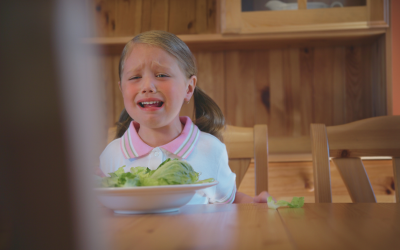
Think of a toddler going on a food strike: this is when a child refuses to eat, often by throwing their food on the floor. When children have no control over what they can do (like when they can leave the house, eat, sleep, etc.), they may decide to stop eating what’s put in front of them, because choosing to eat or not to eat is one of the few things they can control.
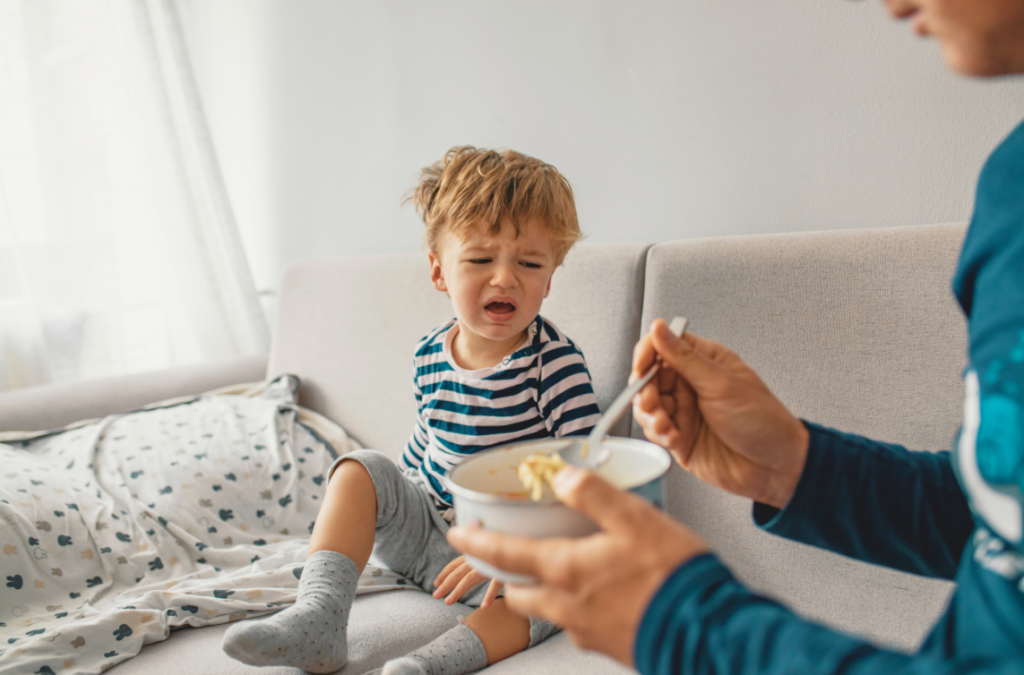
So, what exactly am I trying to suggest here? Every time a toddler has a big reaction to food, this indicates a link to trauma? No, it just means their brains are still developing, a lot of things are out of their control, and there could be a reason behind their behavior.
Nutrition-related Behaviors Associated with Trauma
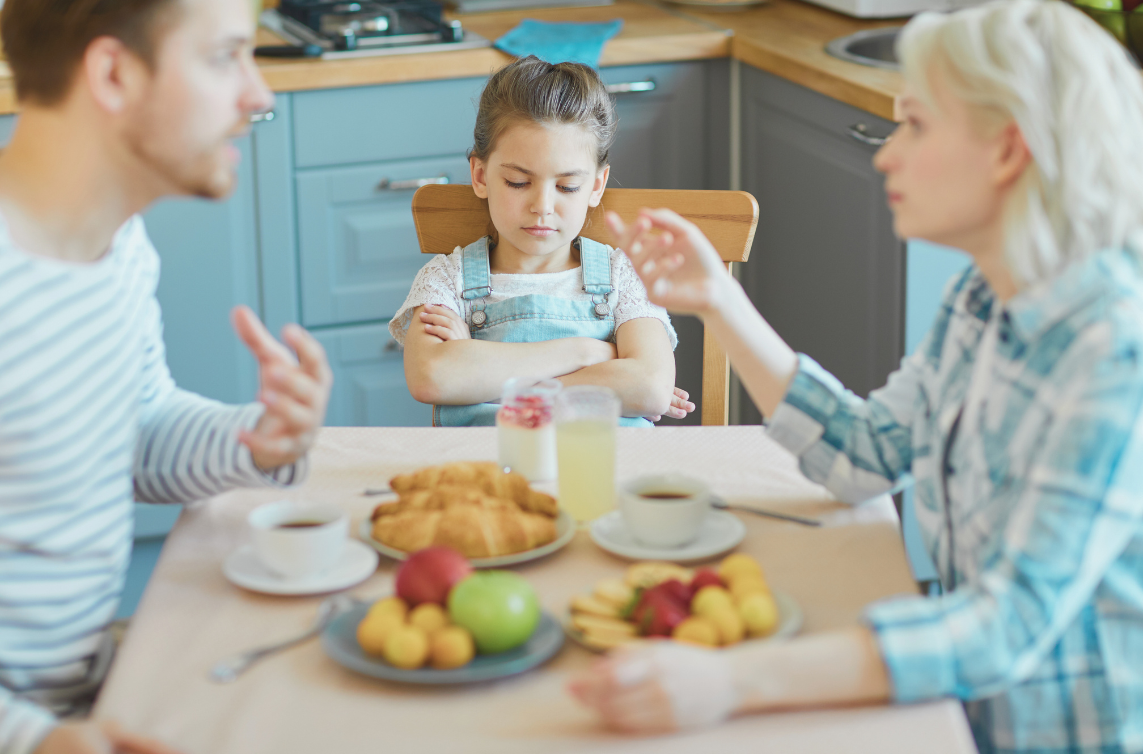
So when a child or adult reacts negatively at a meal, we need to consider what could be under the surface of that behavior before assuming “they’re too picky” or “ungrateful”. And understanding how trauma can affect nutrition is a good place to start.
Here are some common food-related behaviors that are often influenced by a history of trauma:
- Eating disorders like Anorexia, Bulimia, binge eating
- Food addiction
- Picky eating or extreme picky eating
- ARFID (avoidant/restrictive food intake disorder)
- Vomiting with food intake
- Food refusal
- Limited variety of food choices (convenience foods, high-fat, high-sugar foods)
- Desire for strong, bold flavors (sweet, salty, spicy, sour)
- Poor interoception (internal bodily sensations like hunger and fullness)
A connection between nutrition and trauma can stir up different feelings about food. So, hopefully, you can see how engaging with food can be very complex for some individuals, kids and adults alike. So, what are you supposed to do with this information?
How to Implement a Trauma-informed Approach to Nutrition
We need to start by asking the right questions when we recognize an adverse behavior related to food. Instead of asking a question about the behavior:
“When will my child stop hating XYZ?”
We need to shift the focus away from the behavior and ask why:
“What experience has caused this child so much mealtime anxiety?”
Unfortunately, it is often difficult to get answers and fully understand the “why” behind a food-related behavior. But regardless of what the answer is, simply changing our mindset to acknowledge that there may have been a hurtful experience related to XYZ helps us to have more patience and understanding when we see these big food-related behaviors.
Then, we need to lower our expectations. I know I know, you just want to see your kids eat some vegetables every now and then. I get it! Hearing a child under 10 tell me they love to eat broccoli is music to my ears, I’m a pediatric dietitian! But I’ve learned that felt safety and connection are even more important than vegetables.
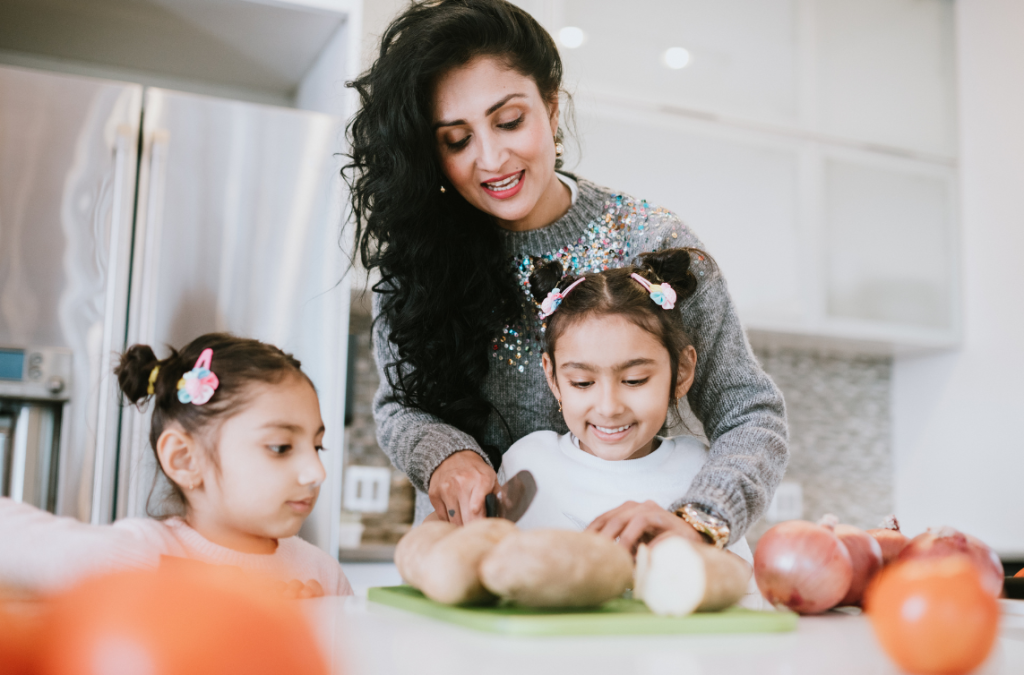
When we lower our expectations about how our kids should respond to food, we don’t overreact when they don’t like something we prepared, even if they won’t at least try it! Try to prioritize relating and connecting to your kids at meals rather than critiquing their food choices. This is where you start, and then exposing kids to a variety of nutrient-dense options is a goal you can work towards.
Which is More Important: Nutrition or Connection?
This is a question that no one should answer for you, but rather one you should investigate for yourself. Of course, there is a lot of evidence to show the importance of good nutrition for brain development, growth, mood, and behaviors. But there’s also a good amount of evidence showing the need for kids to have a healthy relationship with their caregivers.
Also, the toxic effects of stress can have significant long-term health consequences. Most caregivers don’t realize how much stress they put on their kids through pressure at mealtimes! There will certainly be more about this in future blog posts.
If it’s unclear whether nutrition or connection is more important to this trauma-informed pediatric dietitian, stay tuned. Hopefully, this will give you a big hint: without a foundation of connection, you can never work towards the fruit of healthy choices (pun intended)!
Do You Want to Nourish Your Kids with Food and Connection?
To recap, it’s essential to consider whether our kids’ behaviors (around food or otherwise) are possibly a result of their experiences. We need to be curious and compassionate. It’s also vital that we lower our expectations regarding what food choices our children make. The top priority at meals should be connection rather than nutrient consumption. Less stress = better health.
Please know that these tips do NOT only apply to children with a history of trauma! They apply to all kids, regardless of their history.
Shouldn’t every child have a healthy relationship with food and with their parents? If this is what you want, the time to cultivate those healthy relationships is now, whether your child is an infant or a young adult (or even before you have a child). Stop wondering how to make this happen, and sign up to chat with me about how I can help you. I’ll be sure to provide you with expert nutrition advice designed to draw you closer to the special kids in your life.


0 Comments